Acne can feel like one of the hardest things to deal with as a teenager. You wake up, look in the mirror, and suddenly there it is - a new breakout right before school, a big event, or a day you really wanted to feel good about yourself. It can make you want to hide your face, skip photos, or just wish your skin would “behave” for once. The truth is, almost everyone goes through this. Acne isn’t a sign that you’re doing something wrong. It’s simply a part of growing up, and it’s more common than you might think.
At its core, acne is just your skin reacting to changes happening inside your body. During puberty, your hormones start working overtime. They tell your oil glands to produce more sebum, which is your skin’s natural oil. Normally, that oil helps keep your skin healthy, but when there’s too much of it, it can mix with dead skin cells and clog your pores. Bacteria love that kind of environment, and the result is inflammation - what we see as pimples, blackheads, or whiteheads. It sounds complicated, but it’s just your body adjusting to the changes that come with growing up.
One of the hardest parts of dealing with acne isn’t just the breakouts themselves, but how they make you feel. It’s easy to start comparing yourself to others, especially when it seems like everyone else has “perfect” skin. Social media doesn’t help either - filters and good lighting can make anyone look flawless. But real skin has texture, pores, and sometimes spots. You’re not alone, and you’re definitely not less beautiful because your skin isn’t clear right now.
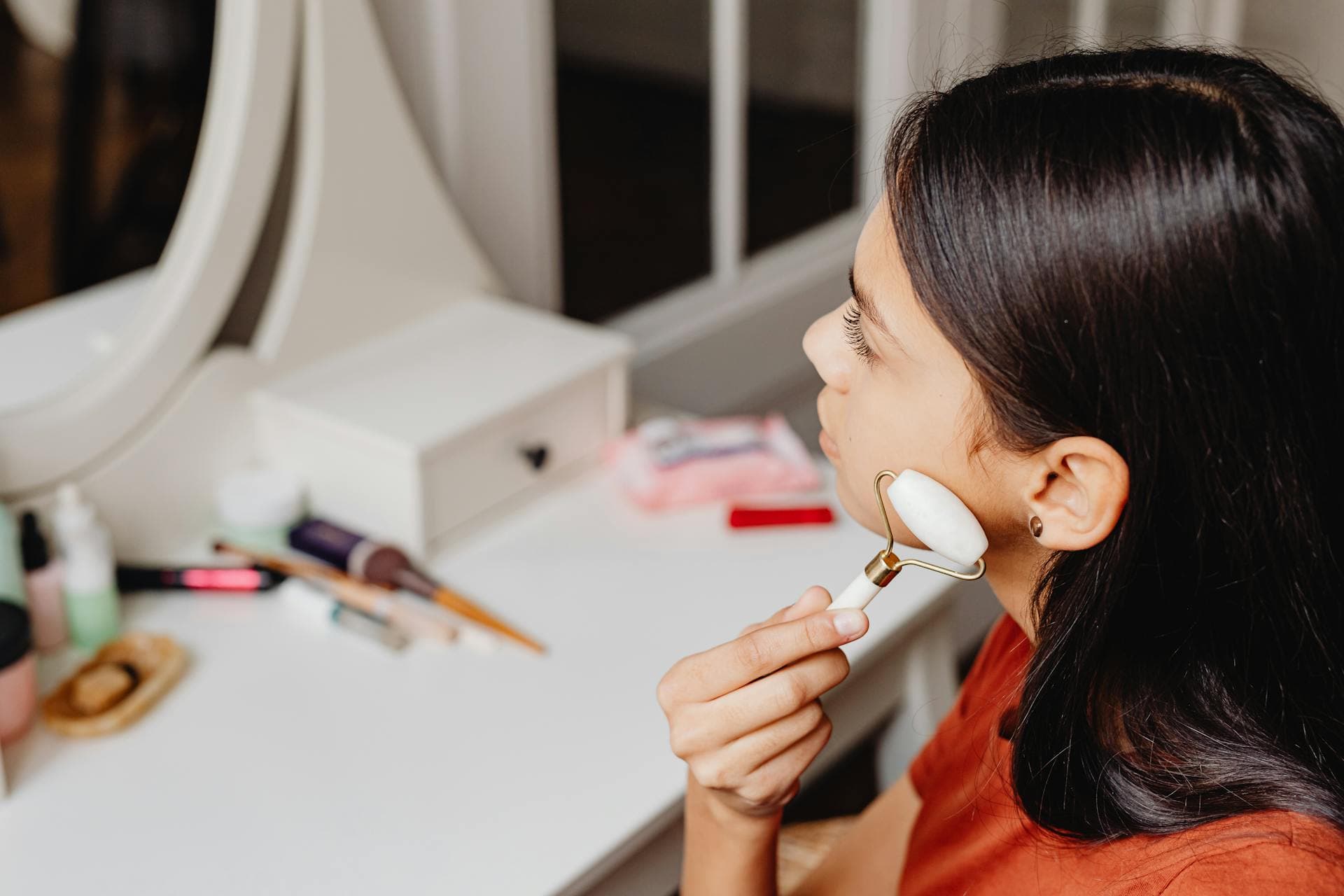
Taking care of acne starts with kindness - both to your skin and to yourself. Harsh scrubs or strong products might seem like the answer, but they can often make things worse. Your skin needs balance, not punishment. A gentle cleanser, a lightweight moisturizer, and patience can go a long way. Try to build a simple routine that you can stick to, morning and night. It’s not about perfection; it’s about consistency. Over time, your skin will start to respond, and you’ll learn what works best for you.
It’s also important to remember that your lifestyle plays a part in how your skin feels. Getting enough sleep, drinking water, eating balanced meals, and managing stress all help your body function better - and that includes your skin. Breakouts don’t mean you’re unhealthy or unhygienic; they’re just a signal that your body might be adjusting to stress, hormones, or daily habits.
And when acne gets really frustrating, it’s okay to ask for help. Talking to a dermatologist, your parents, or even a trusted friend can make a difference. You don’t have to face it on your own. Sometimes, getting the right advice or treatment can ease not only your skin but also your mind.
But above all, remember this: acne doesn’t define you. It doesn’t take away your personality, your talents, your smile, or your worth. You are more than your reflection, and clear skin is not a measure of confidence or beauty. Your skin will change - sometimes better, sometimes worse - but it’s temporary. What lasts is how you care for yourself through it, how patient you are, and how you remind yourself that you’re still you - strong, beautiful, and growing.
So, take a deep breath, look in the mirror, and remind yourself that your skin is just one part of you. It’s learning, just like you are. Be gentle with it. It will get better - and so will you.